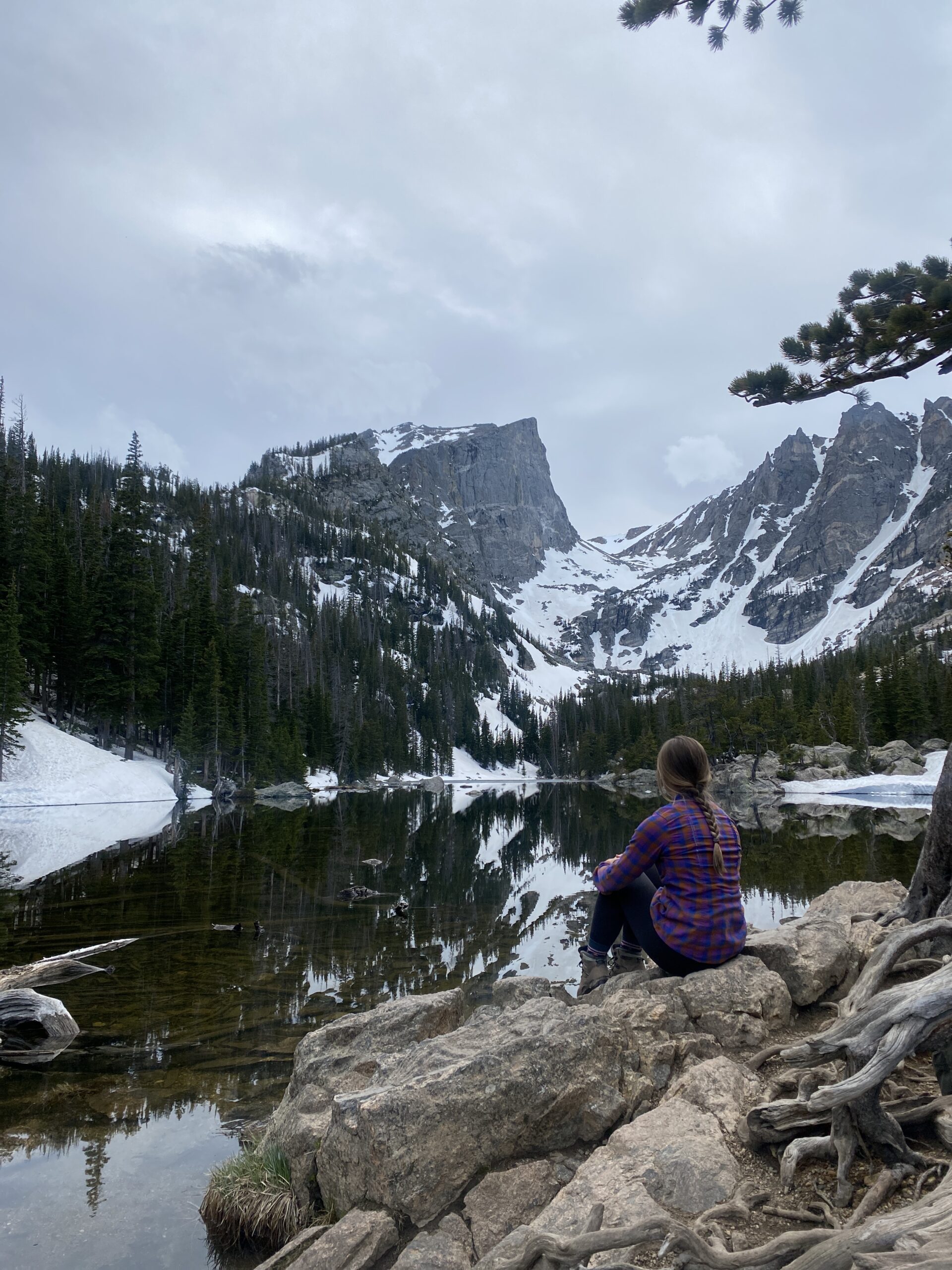

I just got back from Rocky Mountain National Park, where I completed a week-long Wilderness Medicine Upgrade for Medical Professionals (WUMP). I’m a nurse practitioner with experience in everything from the ER and PICU to pediatric neurosurgery and primary care. But despite all that, I’ve never felt totally confident in handling emergencies in remote settings—at least, not without a hospital full of equipment and brilliant colleagues nearby.
Friends would joke, “Well at least we have a medical person here!” and I’d smile, thinking, “Sure… as long as we’re in a fully stocked trauma bay.” I’ve always admired the resourcefulness of backcountry rescuers and medical missionaries—the kind of people who save lives with whatever’s in their pack. I’ve wanted to be that reliable, not just in the clinic, but deep in the wilderness.
With the 2026 Gaucho Derby on my calendar—a 500km, self-supported horse race through the wilds of Patagonia—I knew it was time to upskill. So I enrolled in the NOLS WUMP course and became a certified Wilderness First Responder.
This training goes far beyond basic first aid. We practiced assessing and managing injuries with limited supplies and planning evacuations from real backcountry scenarios. It stretched my critical thinking and gave me the confidence to finally say: “Yes, I know what to do.”


Gear testing for the Wild
This trip wasn’t just about medical training—it was also a chance to test gear under real conditions. The Gaucho Derby has strict weight limits, so I need ultralight gear that actually works. Plus, being away from my kids for a full week gave us all a chance to practice the logistics and emotions of the longer trip ahead.
Tent Testing
Finding a tent that’s both ultralight and Patagonia-tough is no small feat. I need something that can withstand winds up to 70 mph and keep me warm in the cold, wet weather. Most alpine-rated four-season tents are either too expensive or too heavy.
Luckily, I found a used Nemo Kunai 2P (just under 4 lbs packed!) through GearTrade. After re-stringing the poles and re-waterproofing the floor, I tested it in Colorado during three days of intermittent rain. It kept me dry, though the rainfly is pushing its limit and will get another Nikwax treatment soon.
Setup could be tricky in strong winds since the fly is separate from the tent body, but I’m experimenting with clamps and clever staking. The aluminum stakes bent easily in rocky soil, so I’ll be upgrading those. Overall: this tent is a solid contender—with more practice in windy conditions, I think it’ll be fine.


Sleeping Pad
I don’t know anyone who sleeps great while camping—and I’m no exception. My back, hips, and shoulders always make their complaints known. Add in 12-hour riding days and middle-of-the-night horse checks (even hobbled they can hop alarmingly far), and I know I’ll need real rest.
During the Gaucho Academy, I unknowingly brought a pad with a hole in it, and even with a liner, my 35-degree bag wasn’t enough. I froze. I got behind on calories and energy fast.
This time, I tested an insulated 3-inch Big Agnes pad. With some Motrin and melatonin, I slept surprisingly well and woke up without soreness. I’ve got my eye on a thicker paad as well, so hopefully there will be a gear comparison review here someday!
Sleeping Bag
I refuse to be that cold again. I splurged on a Western Mountaineering 10° bag (link), and it was totally worth it. So cozy in just a light baselayer with temps in the 30s. I don’t care if it means sacrificing a spare pair of underwear to save weight—this bag is coming with me.
Food Testing
No way am I eating bland dehydrated mush for 10 days. I’ve started testing high-calorie, high-protein freeze-dried meals, and so far, Mountain House hasn’t let me down. Great texture, great flavor—even the meats and veggies hold up.
Since I likely won’t stop for lunch while riding, I’m planning big breakfasts and dinners, with calorie-dense snacks and bars for the trail. I’ll be sharing my full trail-food strategy in an upcoming post.
Training to be away (for all of us)
This trip also gave us a glimpse of what life will look like at home while I’m away.
I plan to board our four horses during the Derby so my husband isn’t stuck with feedings, barn chores, or surprise injuries. He’s a supportive “horse husband,” but barn life isn’t really his thing. Chickens and dogs will stay—thankfully, they’re lower maintenance.
With the kids, we’re organizing a team effort. My parents will take them for about a week, then hopefully my husband gets a few days of solo time with them. The rest will be split among family. This time, my parents hosted four full days of grandparent sleepovers. It went well, but I did notice some big emotions from my oldest when I got home. Transitions are hard—even when they go smoothly—and I know we’ll all need extra grace during and after the Derby.
Looking ahead
This trip helped me build real-world medical skills and confidence, test gear under pressure, and explore the emotional side of leaving home for a once-in-a-lifetime adventure. It reminded me why I’m doing this—and that I can do it.
From here, I’m diving deeper: more saddle time, more gear testing (and weighing!), and more focused training for both my body and mind. This journey to the Gaucho Derby is full steam ahead—and I’m just getting started.
In the Future
Detailed gear reviews—for both Gaucho Derby prep and my go-to picks for camping with little kids